
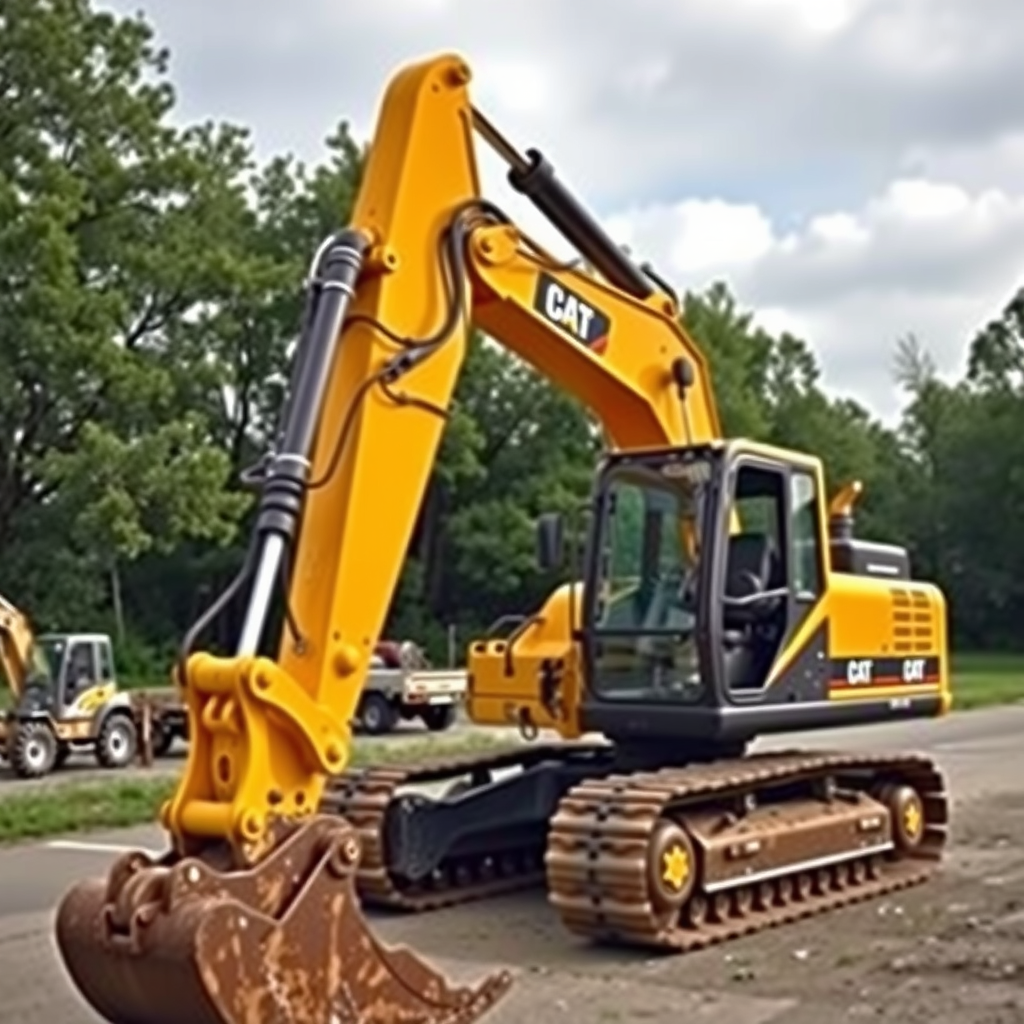
When embarking on a construction project, whether it’s a small renovation or a large-scale development, choosing the right plant and machinery is crucial for efficiency and success. The array of options available—from new purchases to second hand plant machinery—can be overwhelming. Understanding your project requirements and the specifications of available equipment will ultimately guide you in making the right decisions.
Assessing Project Requirements
Before even considering specific models or types of plant equipment, take the time to thoroughly assess the needs of your project. This process should begin with an understanding of the tasks to be performed. Are you undertaking earthworks, lifting, or perhaps site preparation?
Once you identify the scope of work, establish the following criteria:
- Job size and complexity
- Site conditions – Is the terrain rough, or is it a flat site?
- Project duration – Are you looking for long-term rentals or buying for a one-off job?
- Budget limitations – This often plays a significant role in determining whether to opt for new purchases or explore plant and machinery sales for second hand equipment.
Types of Plant Equipment
Understanding the different types of plant machinery available can ease the selection process. Below are common categories:
-
Excavators: These robust machines are essential for earthmoving tasks, digging trenches, and site preparation.
-
Bulldozers: Best suited for pushing large quantities of material, bulldozers are beneficial in bulk earthworks.
-
Crushers: Ideal for recycling materials, crushers come in handy if your project involves demolishing existing structures.
-
Loaders: Use loaders to move materials around the site; they have a significant loading capacity that speeds up the project.
-
Dump Trucks: Essential for transporting removed material or supplying construction materials to the site.
-
Scaffolding: While not machinery per se, scaffolding ensures a safe and manageable worksite, especially for high-rise projects.
Excavators: These robust machines are essential for earthmoving tasks, digging trenches, and site preparation.
Bulldozers: Best suited for pushing large quantities of material, bulldozers are beneficial in bulk earthworks.
Crushers: Ideal for recycling materials, crushers come in handy if your project involves demolishing existing structures.
Loaders: Use loaders to move materials around the site; they have a significant loading capacity that speeds up the project.
Dump Trucks: Essential for transporting removed material or supplying construction materials to the site.
Scaffolding: While not machinery per se, scaffolding ensures a safe and manageable worksite, especially for high-rise projects.
It is crucial to select machinery that fits both the task and the working environment.
New vs Second Hand Plant Machinery
When it comes to procuring equipment, you’ll generally be faced with two options: purchasing new plant equipment or opting for second hand plant machinery. Each option has its own advantages and considerations.
Investing in new machinery guarantees that you’re receiving the latest technology, better fuel efficiency, and a long warranty period. However, this typically comes at a significantly higher price point.
On the other hand, used plant equipment can offer substantial savings. Many companies sell heavy plant machinery that’s still in excellent working condition. With proper maintenance records and inspections, second-hand options can be just as reliable. It’s important to conduct thorough research — check for certification and any signs of excessive wear and tear.
For those who prefer flexibility, rental options of used plant equipment may work best. This allows you to fulfil changing project demands without the long-term financial commitment.
When it comes to reliable plant & machinery for your construction projects, look no further than https://www.sjhallplant.com/. We offer an extensive range of equipment for sale and rent, ensuring you have the right tools to get the job done efficiently. From excavators to bulldozers, our top-notch machinery is designed to meet all your construction needs. Trust us to provide durable solutions that enhance productivity and safety on your job site.
Evaluating Machinery Specifications
When considering specific pieces of plant and machinery, pay close attention to their specifications. Key factors include:
-
Operating Weight: Heavier machinery can often accomplish more strenuous tasks, but if the site has load restrictions, lightweight options may be necessary.
-
Power Output: Assess the engine power to ensure it meets the demands of your intended workload.
-
Reach and Depth: For machines like excavators, understanding their digging depth and maximum reach will help determine if they are suitable for your project.
-
Fuel Efficiency: Given rising fuel costs, choosing machinery with better fuel efficiency can significantly impact overall project expenses.
-
Maintenance Requirements: Evaluate accessibility for routine maintenance and repairs, as this will impact downtime and total ownership costs over the equipment’s lifespan.
Operating Weight: Heavier machinery can often accomplish more strenuous tasks, but if the site has load restrictions, lightweight options may be necessary.
Power Output: Assess the engine power to ensure it meets the demands of your intended workload.
Reach and Depth: For machines like excavators, understanding their digging depth and maximum reach will help determine if they are suitable for your project.
Fuel Efficiency: Given rising fuel costs, choosing machinery with better fuel efficiency can significantly impact overall project expenses.
Maintenance Requirements: Evaluate accessibility for routine maintenance and repairs, as this will impact downtime and total ownership costs over the equipment’s lifespan.
Sourcing Plant and Machinery
Finding the right plant and machinery can be daunting, but sourcing through reputable dealers simplifies the process. Seek out specialists in plant and machinery sales who have a wide selection of equipment and a good reputation for reliability and after-sales support.
Consider local dealers who can provide immediate assistance and the option for a site visit before purchase or hire. Additionally, inspect machine history if purchasing used plant machinery; this may reveal underlying issues and assist in making an informed choice.
When choosing to go through rental services, ensure they offer flexible contracts and robust customer support. It’s beneficial to work with suppliers who can provide advice on the best machines for your specific tasks.
Budget Considerations
Finally, understand your budget constraints. While it can be tempting to opt for the most technologically advanced equipment, it’s essential to remain within your financial limits. Remember to factor in costs associated with potential repairs, maintenance, and insurance when working out your budget for plant and machinery.
Additionally, don’t hesitate to negotiate prices, especially when purchasing used plant equipment or entering into rental agreements. Many suppliers are willing to offer discounts for long-term contracts or combined equipment rentals.
By following these guidelines and assessing your project’s specific needs, you will be better equipped to make informed decisions regarding the acquisition of plant and machinery, ultimately contributing to the smooth operation and success of your construction project.