
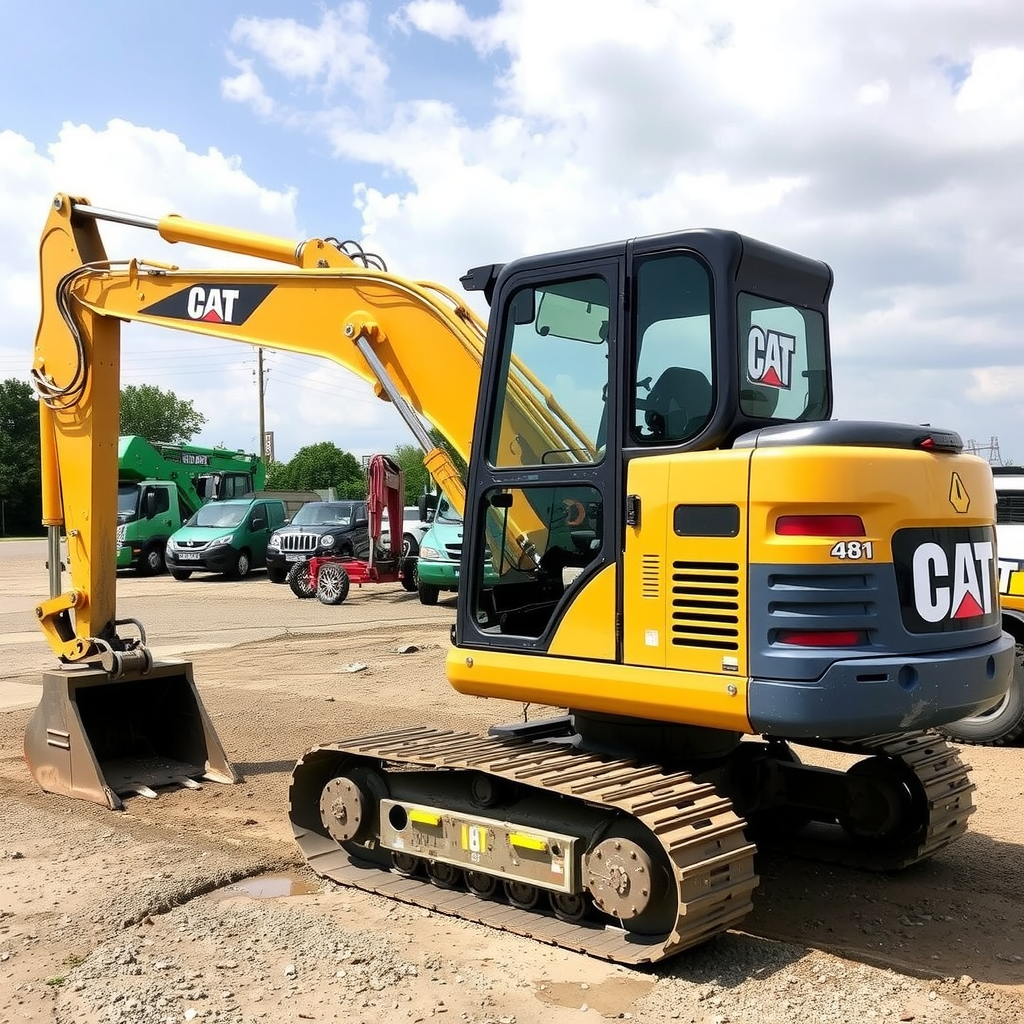
When embarking on a construction project, choosing the right excavator is crucial to achieving efficiency and meeting deadlines. Whether you’re a seasoned contractor or a novice in the domain of construction, understanding the key features of excavators can greatly influence your purchase or rental decision. With a diverse range of excavators for sale, including both new and used mini excavators, knowing what to look for can ensure you select machinery that meets your needs without compromising on performance.
Assessing the Type and Size of Excavator
One of the first considerations when searching for excavators for sale is determining the type and size of the machine that best suits your project requirements. Excavators come in various sizes, typically categorised into mini, midi, and standard excavators.
Mini Excavators: If you’re working on a small site or need to navigate narrow passages, a used mini excavator is an ideal choice. These machines are nimble and versatile, making them perfect for residential landscaping, utility work, or tight urban environments. Their compact size, usually weighing less than 2.5 tonnes, allows for easier transportation and operation in confined spaces.
Standard Excavators: For larger projects, standard excavators offer greater power and lifting capacity. These machines are typically used in larger-scale construction, earthmoving, and heavy lifting operations. When evaluating standard options, consider the operating weight, which can range from 5 tonnes to over 30 tonnes, depending on your project’s demands.
Regardless of size, ensure that the excavator you choose can accommodate the attachments you’ll require, such as buckets, grapples, or augers, as these can extend the machine’s versatility.
Looking for high-quality excavators for sale? Our extensive range of excavators caters to various construction needs, ensuring you find the perfect machine for your project. With both sales and rental options available, we provide flexible solutions to suit your budget. Explore our outstanding selection and benefit from our competitive pricing. For more information, visit us here: https://www.sjhallplant.com. Your ideal excavator awaits!
Power and Performance Specifications
The performance of an excavator largely hinges on its power specifications, including its engine output, hydraulic system, and digging force. When exploring second-hand excavators, it is essential to compare these performance metrics to ensure that your selected machinery can handle the required operational demands of your project.
Engine Power: The engine power determines an excavator’s ability to perform tasks efficiently. Look for specifications provided by the manufacturer, which usually indicate the horsepower (HP) of the engine. Higher HP generally translates into improved performance, particularly in heavy-duty applications.
Hydraulic System: A robust hydraulic system is crucial for optimal performance, particularly when dealing with challenging ground conditions. Evaluate the hydraulic flow rate and pressure, as these factors affect the speed and efficiency with which attachments operate. An excavator with an efficient hydraulic system will enable smoother operation and improved productivity on site.
Digging Force: The digging force, often measured in bucket breakout force (in kilograms), indicates the excavator’s capability to break through soil and other materials. This figure should be a primary consideration if you’re working with tough earth or heavy materials. Comparing the digging force of different models can help you identify which excavator will perform best under your specific requirements.
Durability and Maintenance Considerations
When selecting excavators, particularly used mini excavators or second-hand excavators, durability and maintenance history are vital components of your decision-making process. It is essential to select machinery that has been well-maintained, as this can greatly influence its lifespan and reliability on the job site.
Inspection of Wear and Tear: Check for any signs of wear and tear, including hydraulic leaks, worn-out tracks or tires, and the condition of the undercarriage. At times, used machinery will show visible signs of previous heavy use, which may explain lower prices. Consider requesting information regarding past maintenance and servicing, as a well-documented service history suggests better reliability.
Operational Hours: Don’t overlook the number of operational hours on a machine. Generally, excavators with fewer hours may be less prone to mechanical issues compared to those with extensive use. As a rule of thumb, a mini excavator with under 2,000 operational hours is often considered a good buy when assessing used options.
Parts Availability: Another longevity consideration is the availability of replacement parts. Well-established brands typically have widespread dealer networks that make sourcing parts more convenient. This can significantly impact your machine’s maintenance costs and downtime, ensuring your project stays on track.
Choosing the right excavator for your needs requires careful evaluation of various factors, from the type and size to power specifications and maintenance history. With a mindful approach to selecting excavators for sale, you can ensure that your machinery investment will serve you well in delivering successful construction outcomes.