
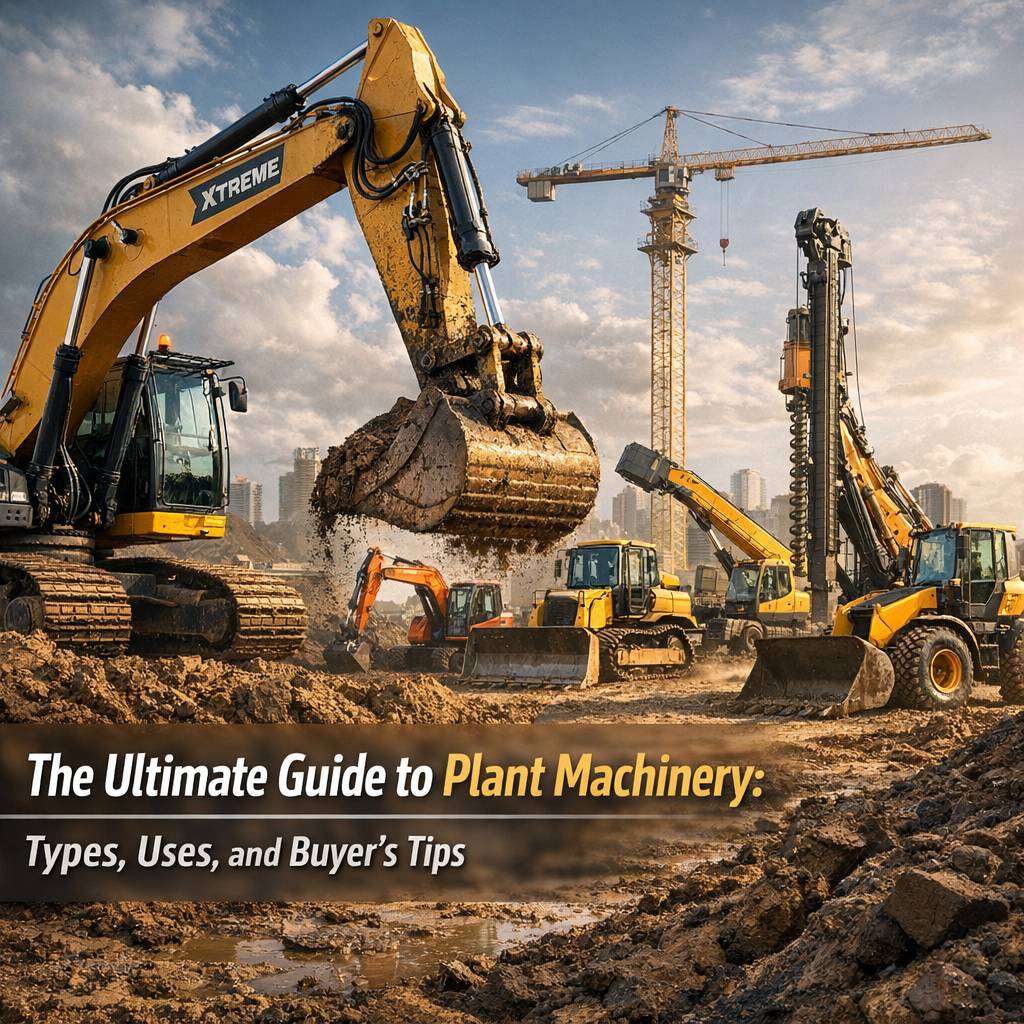
Plant Equipment: An Overview
When we talk about plant machinery, we mean the heavy-duty devices that power construction sites, infrastructure projects, and industrial works. From digging trenches to lifting steel beams, plant equipment makes complex jobs safer, faster, and more precise. For buyers and operators, understanding the range of equipment, its typical uses, and where to source reliable units is essential. This guide covers the key categories, practical applications, and tips for purchasing and maintaining plant equipment for sale.
Heavy Plant Machinery: Core Categories
Heavy plant machinery encompasses several big-ticket machines that are common on most sites. Here are the main types you’re likely to encounter:
- Excavators: Versatile machines for digging, grading, and material handling. Variants include crawler and wheeled models, with options for long-reach booms and hydraulic attachments.
- Loaders: Front-end loaders move bulk materials such as soil, gravel, and sand. They’re handy for site preparation and debris removal.
- Dump Trucks: Used for transporting loose material around a site or to a dump, often in combination with other earthmoving gear.
- Bulldozers: Provide stable pushing power for site clearance, grading, and creating level surfaces.
- Skid Steer Loaders: Compact, agile machines suited to tight spaces, with a wide range of attachments for digging, gripping, and lifting.
- Wheeled Excavators: A mobile alternative to traditional crawlers, offering speed and flexibility on urban sites.
- Telehandlers: Lift heavy loads to elevated positions, commonly used in construction yards and tall structures.
- Cranes: From mobile cranes to tower cranes, they lift and place heavy materials with precision.
Understanding the specifications—such as engine power, operating weight, reach, and hydraulic capacity—helps match the machine to the task and the site constraints.
FAQ: Plant Machinery
What is plant machinery?
Plant machinery refers to heavy equipment and machines used in construction, mining, and industrial projects. This includes items like excavators, bulldozers, loaders, cranes, forklifts, concrete mixers, and many other specialised machines.
What are the main types of plant machinery?
- Excavators and diggers
- Loaders (wheel loaders, skid-steer loaders)
- Bulldozers and graders
- Cranes (mobile, tower, and overhead)
- Lifting equipment (forklifts, telehandlers)
- Concrete and asphalt machines (mixers, pavers, rollers)
- Compactors and compactors
- Trenchers and rock machinery
- Aerial work platforms (cherry pickers, scissor lifts)
Do you offer rental options for plant machinery?
Yes, we offer flexible rental options, including short-term and long-term hires. We can tailor packages to fit project duration, workload, and site requirements, with maintenance and support included where applicable.
How do I choose the right plant machinery for my project?
Consider:
- Project scope and site conditions
- Required reach, capacity, and lifting height
- Ground conditions and maneuverability
- Power source (diesel, electric, or hybrid)
- Delivery, setup, and operator availabilityOur team can assess your needs and recommend suitable machines.
Do you provide operators with plant machinery?
We can provide qualified operators as part of a rental package, or you can supply your own. Operator services are available for most equipment types and can be arranged to meet project schedules.
What maintenance and service options are included with rentals?
Maintenance packages vary by machine and supplier. Typical options include routine servicing, on-site support, wear part replacements, and rapid response for breakdowns to minimise downtime.
How does the pricing work for plant machinery?
Pricing usually depends on rental duration, machine type, usage hours, delivery distance, and any additional services (operators, maintenance, fuel, insurance). We can provide a transparent quote with no hidden fees.
What safety requirements are there for operating plant machinery?
Operators typically need proper training and certification for the specific equipment, along with on-site safety inductions. PPE, site rules, and machine-specific safety features (ROPS, FOPS, guards) are standard considerations.
Is insurance required for renting plant machinery?
Yes, insurance is usually required. We offer insurance options or can review your existing coverage to ensure adequate protection against damage, theft, and third-party liability.
Can you deliver plant machinery to my site?
Delivery is available to most locations, with scheduling based on machine availability and site access. We can handle loading, transport, and offloading as part of the service.
What are the fuel and environmental considerations?
Fuel types vary by machine (diesel, electric, hybrid). We can advise on fuel efficiency, idle time reduction, and compliance with local environmental regulations and emission standards.
How do I book plant machinery?
Contact our sales team with project details (timeline, location, required machine types, and any operator or service needs). We’ll provide a tailored quote and arrange delivery or pickup.
What forms of payment do you accept?
We accept standard business payment methods, including bank transfers, credit terms for qualified customers, and invoicing with clear terms. Contact us for specifics.
Do you offer training on how to use plant machinery?
Yes, we offer operator training and refresher courses for compatible equipment to ensure safe and efficient operation on-site.
Can I extend or shorten my rental period?
Yes, flexible extensions or reductions are possible, subject to machine availability. Please notify us as soon as plans change.
What should I do in case of a breakdown?
Contact our 24/7 support line for rapid assistance. We aim to diagnose remotely and arrange on-site support or replacement equipment to minimise downtime.
Are there any hidden costs to watch out for?
Transparent quotes will itemise delivery, insurance, maintenance, fuel (if not included), and any extra services. Always review the terms to avoid surprises.
How do I return the plant machinery after use?
We’ll provide return instructions, including fuel levels, clean-out requirements (if applicable), and equipment checklists. We’ll arrange collection if needed.
If you need more details or a tailored FAQ for specific machinery categories (e.g., excavators, cranes, or aerial platforms), tell me which equipment to focus on and I’ll customise it.
Plant Equipment for Sale: How to Find the Right Fit
When searching for plant equipment for sale, consider these factors to ensure you invest wisely:
- Purpose and Load Requirements: Define the primary tasks (digging, lifting, earthmoving, materials handling) and expected load ranges. Choose equipment with the right breakout force, lifting capacity, and reach.
- Site Conditions: Ground type, space constraints, and access routes influence whether a crawler, wheeled, or compact model is best.
- Condition and History: If buying used plant machinery, request maintenance records, hours, service history, and any previous incidents. Look for consistent service intervals and whether components have been replaced.
- Attachments and versatility: Forks, buckets, breakers, grapples, and augers expand capabilities. Ensure compatible attachment interfaces and hydraulic flow.
- Rental vs. Buy: If you don’t need continuous use, renting can be cost-effective. For ongoing projects, owning may be preferable, with the option to buy at the end of a rental term or via used plant sales UK channels.
- Certification and Compliance: Check ECG/CE marks where applicable, and ensure the equipment complies with UK health and safety standards.
Used Plant Machinery: Tips for a Smart Purchase
Buying used plant machinery can deliver significant savings, but it also carries risk. Here are practical tips:
- Inspect Thoroughly: Look for oil leaks, unusual noises, tire wear, corrosion, and hydraulic hose condition. Check the boom and frame for cracks or welds.
- Review Maintenance: A well-documented maintenance log demonstrates discipline in upkeep. Ask for recent service records, filter changes, and part replacements.
- Test Run: If possible, operate the machine to assess controls, hydraulics, stability, and braking. Listen for abnormal sounds and observe smooth gear changes.
- Verify Hours and Usage: Higher hours aren’t inherently bad, but verify the service life and usage pattern. Ask for usage reports and operator logs.
- Check for Outstanding Finance: Ensure there are no hidden liabilities or unpaid charges tied to the machine.
- Spare Parts Availability: Confirm that parts are readily available in the UK, and consider compatibility with aftermarket components.
- Seller Reputation: Buy from reputable dealers or platforms specialising in used plant equipment for sale UK. Read reviews, request references, and confirm return policies.
Discover reliable plant machinery solutions for construction projects, featuring modern fleets, efficient downtime management, and expert support. Our rental and sales options are tailored to minimize costs while maximizing productivity. For guidelines, see https://msme.gov.in/circulars/guidelines-calculating-investment-plant-machinery-5-october-2006.
Used Plant Equipment for Sale UK: Market Landscape
The UK market for used plant equipment is active, with a range of sellers from manufacturers’ outlets to independent refurbishers. Buying from a trusted source reduces risk and increases access to aftercare options. Look for:
- Clear condition grades and photography that highlight critical components.
- Transparent pricing with breakdowns for any included support, warranties, or delivery charges.
- Optional warranties or service packages to cover critical systems like hydraulics, engine, and transmission.
- Delivery options and site support, especially for heavy or oversized units.
Discover reliable plant machinery solutions that boost productivity and safety on any site. Our fleet includes excavators, loaders, and telehandlers, backed by service-first support and flexible rental terms. With transparent pricing and responsive maintenance, you can count on minimal downtime. For expert guidance and up-to-date availability, explore our range at https://www.sjhallplant.com, then contact our team to tailor a plan that fits your project timeline and budget.
Second Hand Plant Machinery: Evaluating Value
Second hand plant machinery can offer excellent value when you navigate carefully. Key value indicators include:
- Utilisation and Hours: Lower hours generally equate to more remaining service life, but the machine’s maintenance quality is equally important.
- Structural Integrity: Inspect for frame and undercarriage wear, especially on loaders, excavators, and cranes.
- Attachments: Ensure attached tools meet your needs now and in the near future. Verify compatibility and hydraulic compatibility.
- Aftercare Support: Some sellers offer maintenance plans, spares packages, or operator training, which can add long-term value.
Buying Tips: A Quick Reference
- Define a clear requirement sheet: expected tasks, site constraints, and budget.
- Shortlist a few models and compare operating costs (fuel, maintenance, and potential downtime).
- Ask for a test run or on-site demonstration if possible.
- Insist on detailed documentation and a fresh service check.
- Consider future scalability; choose equipment with versatile attachments and options.
- Factor transport, setup, and operator training into the total cost.
Operator Considerations and Safety
Even the best plant equipment requires skilled operators. Ensure staff are trained and certified where required, and that site safety procedures align with equipment capabilities. Regular checks, daily pre-start routines, and routine maintenance reduce the risk of costly downtime and accidents.
Discover reliable plant machinery solutions for every project, backed by expert support and flexible rental options. From compact excavators to heavy-duty loaders, our fleet adapts to your site needs. For financial incentives, learn about capital allowances here: https://www.gov.uk/government/publications/capital-allowances-full-expensing/capital-allowances-full-expensing-for-companies-investing-in-plant-and-machinery-from-1-april-2023-until-31-march-2026.
Explore options, reduce downtime, and maximize productivity with our plant machinery fleet.
A Friendly Note on Availability
Whether you are in the market for used plant machinery or plant equipment for sale, UK buyers have access to a broad range of options. Building strong relationships with reputable dealers and understanding the true condition and history of a machine helps you secure reliable, long-lasting equipment that suits your project needs. By taking a structured approach—defining needs, inspecting thoroughly, and weighing total cost of ownership—you’ll navigate the heavy plant machinery landscape with confidence.