
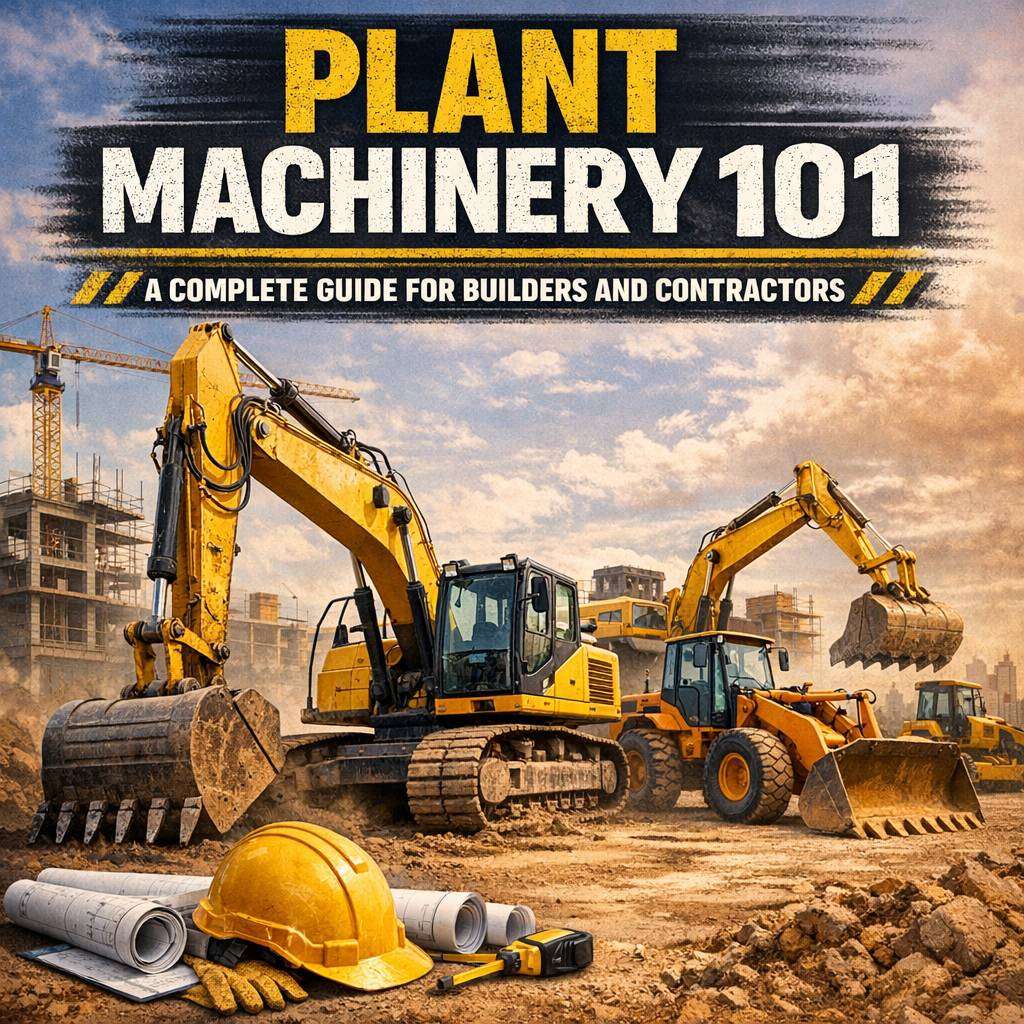
Discover reliable plant machinery for sale and rental, with a fleet including excavators, loaders, and breakers, backed by support, flexible terms, and rapid site delivery. https://www.sjhallplant.com Explore our inventory online, arrange fast collection, and access maintenance support, safety guidance, and flexible rental plans to fit any project on time worldwide.
What counts as plant machinery?
In construction, plant machinery refers to the durable equipment and machines used on site to perform tasks, move earth, lift loads, and generate power. It includes earthmoving machines, lifting and access equipment, material handling gear, road and site-prep devices, and power units. It is distinct from handheld tools due to its size, capacity, and regulatory requirements. Typical examples are excavators, backhoes, wheel loaders, dump trucks, telehandlers, skid steers, mobile elevating work platforms (MEWPs), cranes, rollers, compactors, piling rigs, augers, generators, and compressors. When selecting plant machinery, assess factors such as operating weight, hydraulic reach, lifting capacity, fuel efficiency, and maintenance needs. Understanding what falls under plant and machinery helps builders manage costs, safety, and project timelines more effectively.
Key categories of plant machinery
Plant machinery can be organised into several core categories that align with common project tasks:
- Earthmoving and site preparation: excavators, loaders, bulldozers, dumpers.
- Material handling and lifting: forklifts, telehandlers, pallet trucks.
- Lifting and access: MEWPs, cranes, access platforms.
- Road and ground improvement: rollers, compactors, asphalt pavers.
- Piling and foundations: piling rigs, augers, drilling rigs.
- Power and support: generators, compressors, welding sets.
- Specialised operations: water pumps, concrete mixers, dewatering equipment.
Each category plays a distinct role in keeping a site productive. When planning a contract, map the required tasks to the appropriate plant and machinery to avoid gaps in capability or unnecessary rental costs. For buyers exploring options, a credible supplier will frame available stock around these categories, making it simpler to compare like-for-like performance.
Buying new versus used plant equipment
Deciding between new and used plant equipment for sale depends on project duration, budget, and risk tolerance. Used plant equipment offers substantial upfront savings, but it requires careful due diligence. Look for complete service histories, hours worked, and evidence of recent maintenance. A well-chosen piece of used plant equipment can deliver reliable performance and robust resale value, especially if it has a documented maintenance regime and reputable dealer before-sale checks. For many firms, “plant machinery sales” from established dealers provide peace of mind through limited warranties, tested condition, and the option of upgrades. The used plant sales UK market is diverse, so compare multiple listings, request condition reports, and arrange a test run where possible. Remember to factor in potential transport, delivery, and any required safety modifications.
Frequently Asked Questions about Plant Machinery
What is plant machinery?
Plant machinery refers to heavy construction equipment used on worksites to move earth, lift loads, or perform specialised tasks. Examples include excavators, bulldozers, wheel loaders, cranes, forklifts, telehandlers, concrete pumps, generators, and compactors. Our inventory covers a range of sizes and capabilities to suit different projects.
What types of plant machinery do you offer?
- Excavators and crawler cranes
- Wheel loaders and bulldozers
- Telehandlers and forklifts
- Concrete mixers, pumps, and saws
- Scissor lifts and boom lifts
- Pavers, compactors, and rollers
- Generators and light towers
- Pumps, trenchers, and utility equipment
- Used, remanufactured, and new machines
Do you sell and rent plant machinery?
Yes. We offer both sale and rental options. Whether you need a single unit for a short-term project or long-term access to multiple machines, we can tailor a solution to your requirements.
Rent vs buy: how should I decide?
Consider:
- Project duration and peak demand
- Total cost of ownership (purchase price, maintenance, storage, depreciation)
- Availability of maintenance and service
- Flexibility to scale up or down
- Cash flow and financing optionsIf you’re unsure, our sales team can help compare scenarios for your specific project.
How do I get a quote for plant machinery?
You can request a quote online, via phone, or by email. Provide details such as machine type, quantity, rental duration, delivery location, and whether you need an operator or training. We’ll respond with a formal quote and any applicable delivery or setup fees.
What are your rental terms for plant machinery?
Typical terms cover:
- Daily, weekly, or monthly rental rates
- Minimum rental periods (if any)
- Delivery and setup expectations
- Operator availability (optional)
- Maintenance responsibilities and service windows
- Insurance requirements
- End-of-rental return process
What is included in a typical rental?
Common inclusions:
- The rented machine in good operating condition
- Basic routine maintenance during the rental period
- Basic safety features and operator guidelines
- Optional: delivery, setup, operator, on-site supervision, or training
Do you provide operators or training for plant machinery?
Yes. We offer trained operators and on-site supervision as an optional service. We also provide safety training and operating guidelines for your site requirements.
How is delivery and setup handled?
Delivery is arranged to your site with consideration for access, ground conditions, and load limits. We can provide on-site setup and, if needed, operator introduction and basic maneuvering guidance.
How do you ensure safety with plant machinery?
- Compliance with industry standards and regional regulations
- Regular preventive maintenance checks
- Pre-use inspections and safety briefings for operators
- Clear operating instructions and on-site supervision when required
- On-site risk assessments and safe work procedures
What maintenance and servicing are included?
Maintenance can be included as part of the rental or arranged separately. We perform routine checks, scheduled servicing, and any necessary repairs to keep equipment reliable during your project.
What about warranties, parts, and support?
New and select refurbished units may come with manufacturer warranties. We offer after-sales support, access to spare parts, and technical assistance to minimise downtime.
What are the payment terms and financing options?
We offer flexible terms, including upfront purchase, standard finance, or rental payment plans. Our team can tailor payment options to your cash flow and project timelines.
Do you offer used plant machinery?
Yes. We have inspected, certified used units available for purchase or short-term rental. All used machines come with a condition report and a maintenance history where possible.
How do I choose the right machine for my project?
- Assess load capacity, reach, lift height, and digging depth
- Consider ground conditions, terrain, and jobsite access
- Estimate daily usage and total rental duration
- Plan for maintenance, refueling, and potential downtime
- Consult our product specialists for a fit-for-purpose recommendation
How is fuel or energy managed for plant machinery?
Most machines run on diesel, hydraulic, or electric power. We can advise on fuel efficiency, switching to electric options where feasible, and fuel management on-site. We offer fuel-efficient models and can help plan refueling logistics.
How do I extend or end a rental early?
Extensions and early terminations can usually be accommodated, subject to availability and notice periods. Contact us as early as possible to adjust your contract and avoid penalties.
Do you offer on-site support or servicing?
Yes, depending on location and equipment type. On-site service visits can address urgent issues, routine maintenance, and operator coaching as needed.
If you have a specific project in mind or need a tailored plan, reach out and we’ll help you choose the right plant machinery solution.
Finding reliable suppliers: plant machinery sales and used plant sales UK
Reliable suppliers are the backbone of a successful fleet. Start with dealers who publish clear stock rosters, transparent pricing, and honest service histories. Look for after-sales support, access to spare parts, and maintenance packages that fit your operation. When engaging in plant and machinery sales, request a Pre-Delivery Inspection (PDI) and obtain documentation such as operator manuals, service logs, and any pertinent safety certificates. Consider asking for references or case studies from other builders or contractors. If you are sourcing used plant equipment for sale, verify the seller’s credentials and confirm that the equipment meets current safety standards. The UK market for used plant sales uk is active, so compare several options to balance price, condition, and support.
Renting versus buying: decisions for projects
For short-term needs or project-specific peaks, renting can be more economical than purchasing. Rental agreements provide access to modern machines without tying up capital, and many packages include maintenance, breakdown coverage, and timely replacements. Conversely, buying may be preferable for long-running projects or when a machine is central to your fleet, enabling depreciation recovery and customised support. A blended approach is common: rent peak-demand equipment while acquiring core assets in your fleet. When evaluating options, factor in total cost of ownership, machine age, downtime impacts, and the availability of skilled operators who can use the equipment to its full potential.
Maintenance, safety, and compliance
Safety and compliance are non-negotiable. Ensure all plant machinery complies with PUWER and LOLER, and that every machine undergoes regular inspections and servicing. Implement robust pre-use checks, routine maintenance schedules, and complete record-keeping for all equipment. Operator training is essential; ensure staff hold appropriate qualifications and understand safe operating procedures. Choose suppliers who offer clear warranties, fast parts supply, and responsive service support. Regular maintenance not only reduces downtime but also extends the life of the fleet and protects workers on site. By prioritising maintenance and safety, you safeguard project timelines and protect your investment in plant and machinery.